

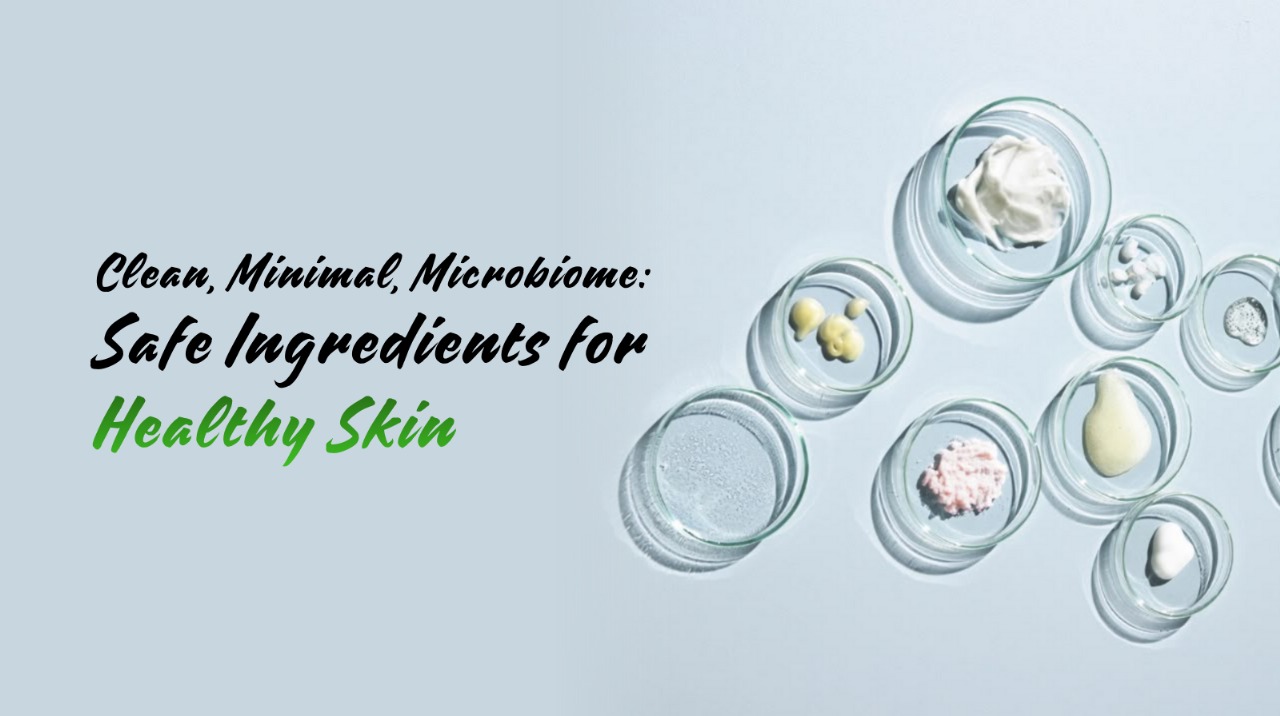
The shift toward clean and minimal skincare is more than just a trend it’s a science-backed movement focused on protecting the skin’s microbiome, the invisible ecosystem that keeps your skin balanced, calm, and resilient. Instead of overwhelming the skin with harsh actives or long ingredient lists, microbiome-friendly skincare relies on gentle, purposeful ingredients that support the skin’s natural biology.
Here are some of the most trusted clean, minimal, microbiome-safe ingredients recommended by dermatologists and skin scientists in 2025.
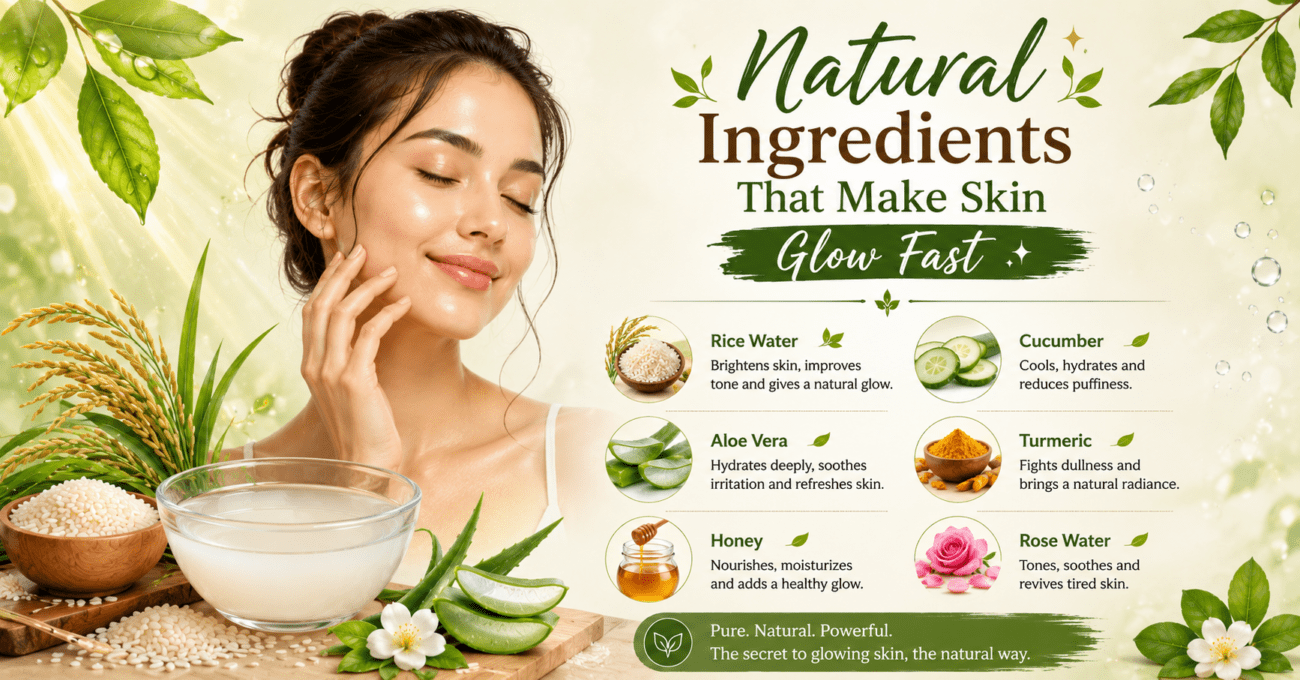
1. Rice Extract (Fermented or Hydrolyzed)
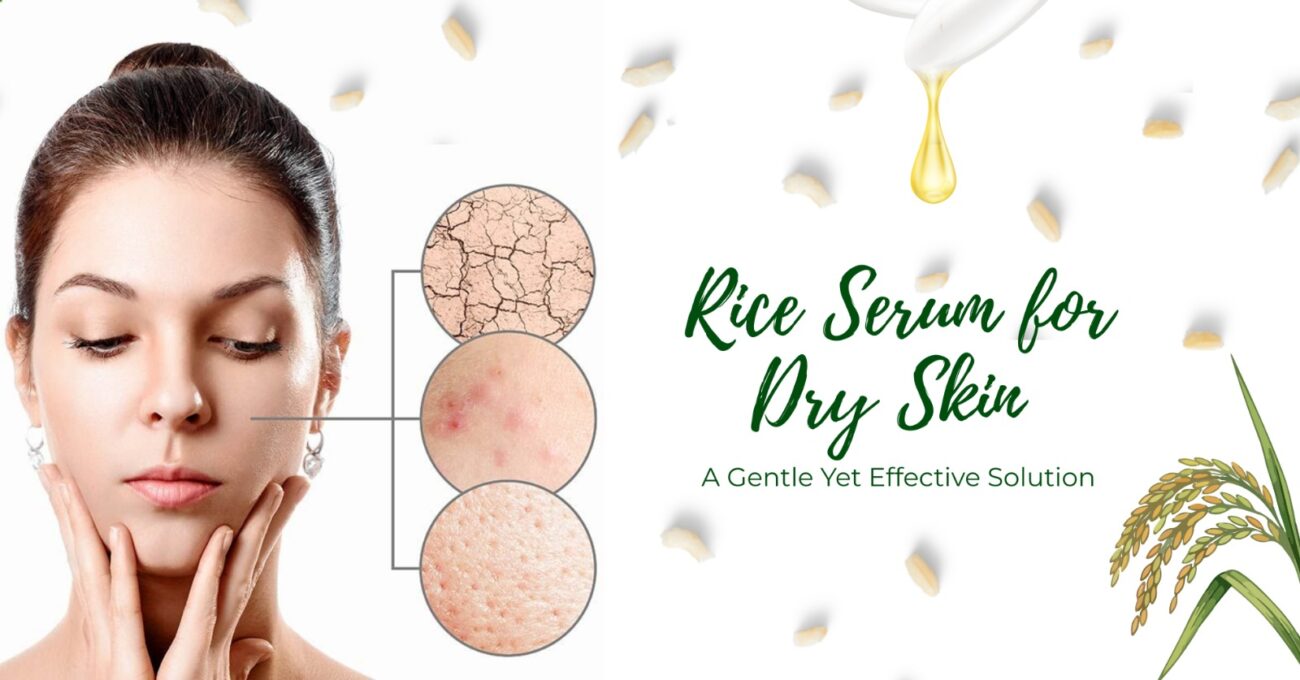
Rice extract has become a star ingredient in microbiome-friendly beauty due to its gentle yet effective properties. It helps:
- Strengthen the skin barrier
- Soothe irritation
- Brighten dull skin
- Support healthy microbial balance
Fermented rice water contains natural prebiotics that help nourish beneficial skin bacteria.
Why it matters:
It’s mild, non-irritating, and safe for sensitive skin making it an ideal base for minimal skincare formulations.
2. Niacinamide (Vitamin B3)
Niacinamide is one of the most well-researched, microbiome-friendly actives. It:
- Reduces inflammation
- Regulates sebum
- Minimizes pores
- Strengthens the barrier
- Supports balanced skin flora
Studies show niacinamide can improve the skin barrier in as little as 2–4 weeks, creating a healthier environment for beneficial microbes to thrive.
Microbiome benefit:
No disruption to good bacteria unlike harsh exfoliants or strong acids.
3. Hyaluronic Acid (HA)
A clean, gentle hydrator that draws moisture into the skin, hyaluronic acid:
- Improves hydration instantly
- Prevents transepidermal water loss
- Plumps and smooths the skin
- Supports barrier repair
Healthy moisture levels help maintain a thriving microbiome since dry, compromised skin often leads to microbial imbalance.
4. Prebiotics (e.g., Inulin, Alpha-glucan Oligosaccharide)
Prebiotics feed the skin’s beneficial bacteria, helping them stay dominant and protective.
They:
- Reduce inflammation
- Strengthen the skin’s natural defence
- Improve tolerance to active ingredients
Ideal for sensitive, acne-prone, or easily irritated skin.
- Probiotics & Postbiotics
These bio-fermented compounds help rebalance the skin microbiome. They:
- Reduce acne and redness
- Enhance barrier strength
- Support smoother, calmer skin
Postbiotics (ferment filtrates) are especially popular because they remain stable in formulas.
6. Centella Asiatica (Cica)
A soothing, microbiome-safe botanical that:
- Calms inflammation
- Repairs the skin barrier
- Speeds up healing
- Minimizes redness
Safe for all skin types, including reactive skin.
7. Squalane
A lightweight, non-comedogenic oil that mimics natural skin lipids.
It:
- Moisturizes without clogging pores
- Supports barrier repair
- Helps protect microbial harmony
One of the cleanest emollients available.
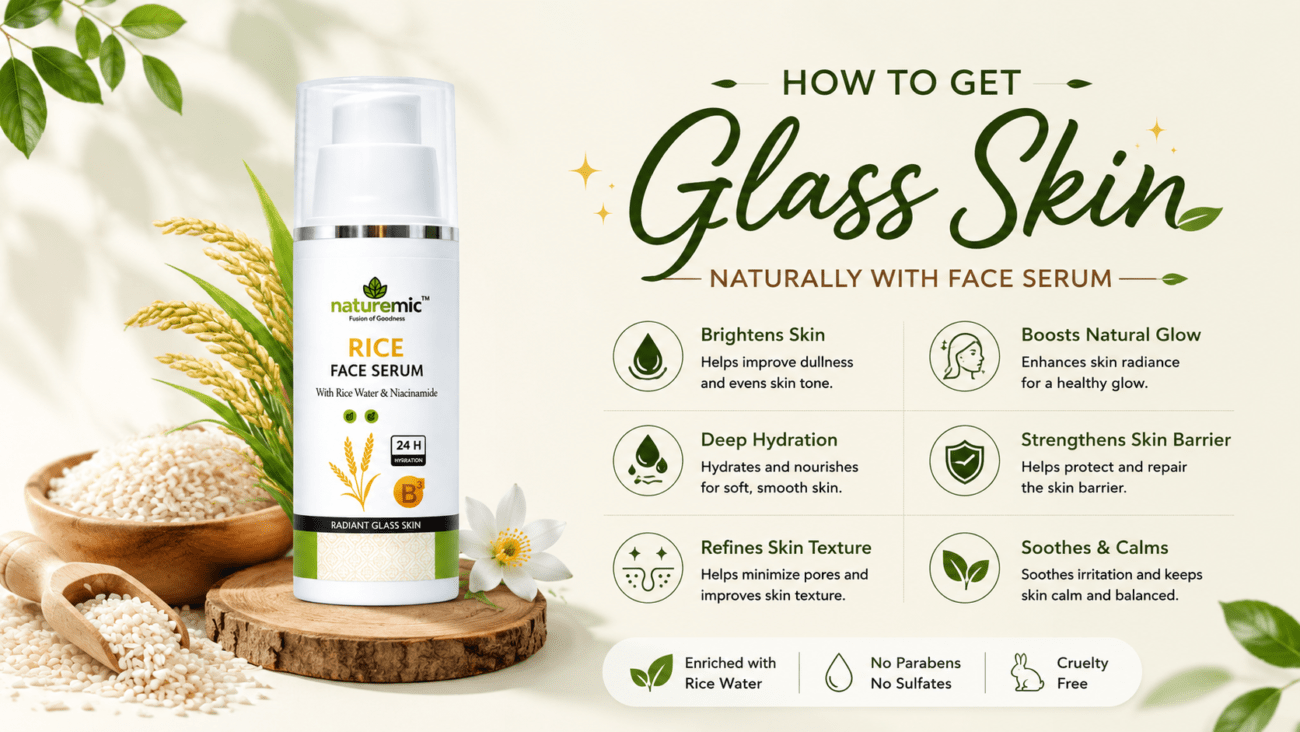
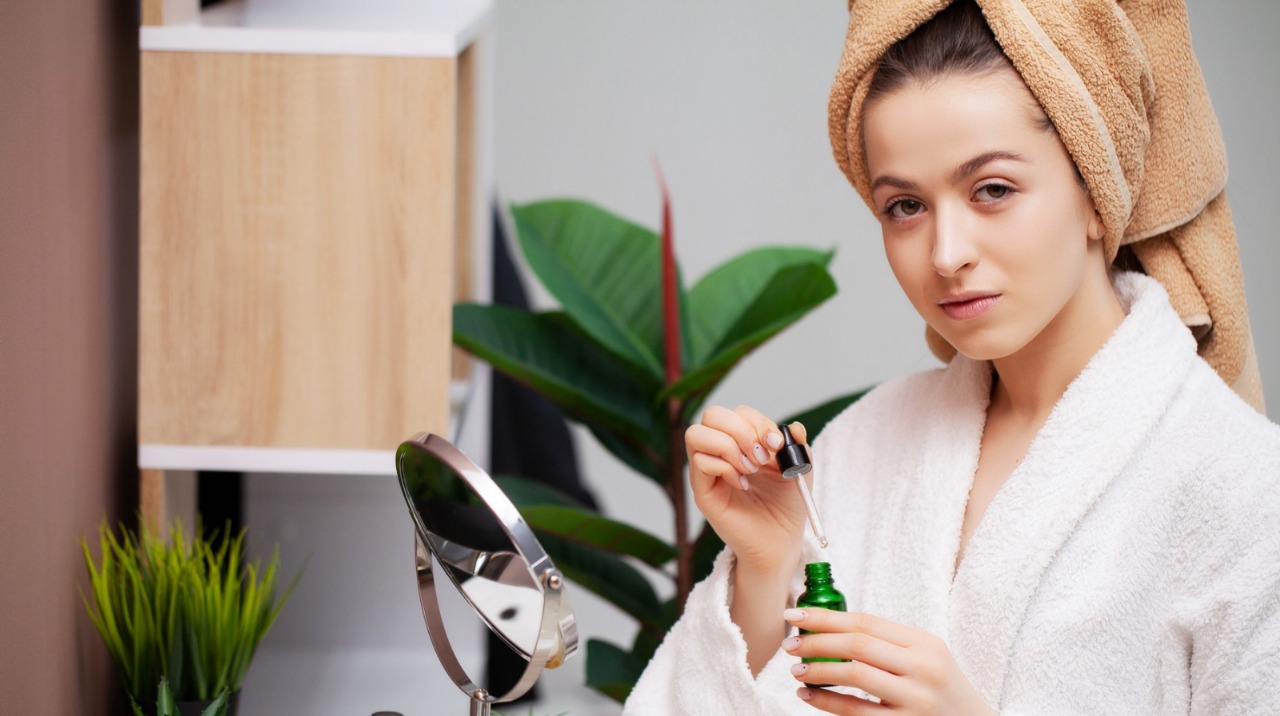
Rice Face Serum with Niacinamide & Hyaluronic Acid: A Microbiome-Safe Essential
A rice face serum enriched with niacinamide and hyaluronic acid checks all the boxes for microbiome-friendly skincare:
✔ Clean & Minimal
Just a few purposeful ingredients, no harsh acids, heavy fragrances, or unnecessary additives.
✔ Supports Barrier Health
- Rice extract strengthens and soothes
- Niacinamide reinforces the barrier from within
- Hyaluronic acid hydrates deeply
A strong barrier = a balanced microbiome.
✔ Safe for Sensitive & Acne-Prone Skin
The formulation is lightweight, non-irritating, and suitable for daily use—morning or night.
✔ Brightens & Hydrates Naturally
Combines the brightening power of rice and niacinamide with the plumping hydration of HA.
✔ Helps Maintain Microbial Balance
No stripping, no harsh actives—just nourishing, skin-compatible ingredients.
This makes rice serum with niacinamide + HA one of the most effective minimalist skincare products of 2025.
✔ Final Thoughts
Clean, microbiome-safe skincare doesn’t have to be complicated. By choosing ingredients like rice extract, niacinamide, hyaluronic acid, squalane, and pre/postbiotics, you support your skin’s ecosystem instead of disrupting it.
A rice-based face serum with niacinamide and hyaluronic acid is an excellent everyday product for achieving healthy, radiant, and balanced skin—naturally.
It’s interesting how much skincare has evolved towards supporting the skin’s ecosystem rather than just treating symptoms. Niacinamide, for example, has so many benefits beyond brightening—like strengthening the skin barrier and reducing inflammation.
The focus on microbiome compatibility rather than just “clean” ingredients is a meaningful distinction — a lot of products market themselves as gentle while still using actives that disrupt the skin barrier. The breakdown by ingredient function rather than just listing names makes this genuinely practical for formulators and consumers alike. I create product visual content for beauty brands and use Nano Banana Pro when I need high-resolution cosmetic-style imagery.
Really well-researched article on microbiome-safe skincare formulations. The point about prebiotics and postbiotics being the next frontier makes sense given the current research trajectory. I’ve been paying much closer attention to ingredient lists since learning how certain preservatives affect the skin’s microbial diversity. Clean beauty has evolved significantly beyond just avoiding parabens.
This is a genuinely useful technical breakdown — the standalone versus networked capability distinction is something that procurement teams often miss until they’re already mid-deployment. Clear and practical.
Very informative article — the evidence-based approach you’ve taken is refreshing. Clear visual explanations can make complex medical topics much more accessible for patients and the general public.
Very well-researched article. The scientific context helps make the information more trustworthy than what you typically find on health blogs.
Well-researched piece on microbiome-safe ingredients — the point about surfactants disrupting the skin barrier is especially relevant as more brands reformulate. For skincare content and tutorial videos, I layer in ambient background music generated with Lyria 4. It helps create a spa-like, calming atmosphere that fits the category.
Well-researched piece — the science behind microbiome-safe formulations is more nuanced than most product marketing suggests. The ingredient list analysis is genuinely useful. Sharing this with a few people who’ve been asking about cleaner skincare options.
Refreshing to see a focus on microbiome safety rather than just ‘natural’ labeling. The minimal-ingredient philosophy actually aligns with what dermatologists have been recommending for sensitive skin for years. The ingredient checklist breakdown is really practical.
Really valuable article on microbiome-safe ingredients. The connection between a disrupted skin microbiome and persistent sensitivity is often overlooked in mainstream skincare advice. Choosing fewer, well-studied ingredients really does seem to outperform complex multi-step routines in the long run.
The focus on microbiome-safe ingredients is such an important shift in skincare — so many traditional preservatives and surfactants disrupt the skin barrier without people realizing it. The list of gentle, minimal actives here is practical and well-curated for anyone trying to simplify their routine without sacrificing results.
Appreciate the focus on ingredient compatibility with the skin microbiome — most clean beauty content skips the science. I’ve been converting skincare education articles into audio guides using an AI voice generator so customers can listen to ingredient breakdowns while browsing product pages.
Thoughtful approach to microbiome-safe ingredient selection. The note about emulsifiers and surfactants disrupting the skin barrier is well-researched — it’s an area the indie formulation community has been paying close attention to. I appreciate the focus on simplicity over lengthy ingredient lists. The packaging visualization angle is interesting too — 3D mockups from single-image tools like SAM 3D are useful for indie brands prototyping packaging before committing to production.
The focus on microbiome-safe formulations is something more skincare brands need to take seriously. The breakdown of which preservatives disrupt the skin barrier is really practical. Minimal ingredient lists with well-sourced actives are almost always the more trustworthy approach.
This is a thoughtful breakdown of why the microbiome matters more than most skincare marketing admits. The explanation of how certain preservatives disrupt the skin barrier microbiome was new to me and genuinely informative. The practical ingredient checklist at the end makes it easy to actually apply what you have learned when shopping.
Well-researched and practical — the section on how common preservatives and fragrances can disrupt the skin microbiome is something that doesn’t get enough coverage in mainstream skincare content. The recommended ingredient list is concrete and actionable. The point about fewer ingredients reducing cumulative sensitization risk is solid advice.
The focus on microbiome-compatibility is a welcome shift from the traditional ‘antibacterial = good’ framing in skincare. The list of ingredients that support rather than strip the skin barrier is exactly what I needed for refining my routine.
The microbiome-safe formulation angle is where skincare is heading — the growing evidence that harsh preservatives and surfactants can disrupt the skin’s bacterial ecosystem in ways that contribute to barrier dysfunction makes the minimalist ingredient list approach more than just a marketing trend. The prebiotics and postbiotics research you’ve summarized is genuinely compelling. Product visualization and ingredient education content has become a competitive differentiator in the clean beauty space.
Love the microbiome-centered framing here — it’s a much more holistic way to think about skincare ingredients than traditional ‘avoid irritants’ messaging. The emphasis on minimalism resonating with barrier health makes the ingredient list genuinely actionable.
The microbiome-safe ingredient framing is so important and still underrepresented in mainstream skincare guides. The explanation of how certain preservatives and emulsifiers disrupt barrier flora is backed by solid research. The minimal ingredient list at the end is practical and actionable.
The shift toward microbiome-aware formulations is long overdue — the point about surfactants stripping beneficial bacteria along with excess oil is something most mainstream brands still don’t address. Really appreciate the breakdown of which preservatives are actually microbiome-compatible versus those that just claim to be.
The focus on microbiome-safe formulations is exactly where evidence-based skincare is heading. Avoiding surfactants and synthetic fragrances that disrupt the skin barrier is becoming more mainstream, and ingredient education like this helps consumers make genuinely informed choices. The minimal formula approach is much cleaner.