
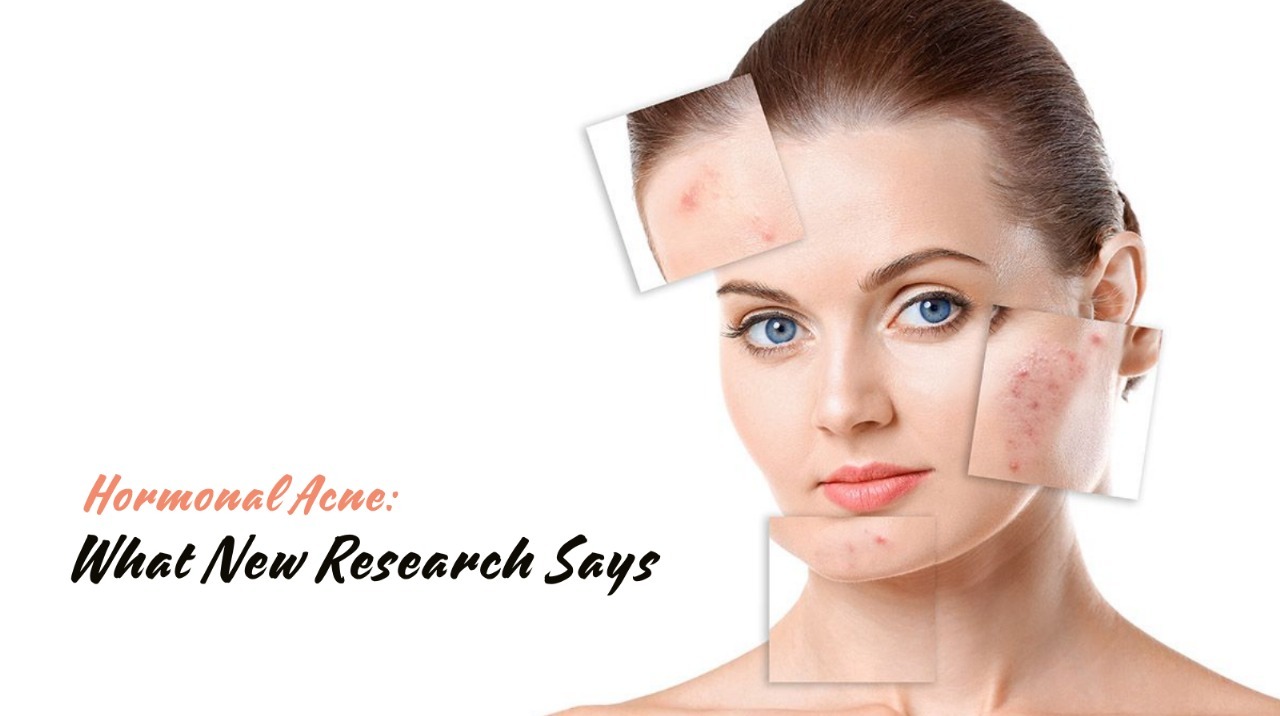
Hormonal acne has always been a common skin concern, but recent research is uncovering new insights into why it happens, who is more prone to it, and how it can be treated more effectively. If you struggle with recurring breakouts especially around the chin, jawline, or during certain phases of your cycle here’s what the latest science reveals.
What Exactly Is Hormonal Acne?
Hormonal acne is triggered by fluctuations in hormones mainly androgens like testosterone that increase sebum (oil) production, clog pores, and lead to inflammation. It can occur at any age, but is especially common during:
- Menstrual cycles
- PCOS
- Pregnancy
- Stress
- Perimenopause and menopause
What New Research Says
1️ The Microbiome Connection
New studies show that hormonal acne isn’t just about excess oil. It’s also linked to the skin microbiome.
Researchers have found:
- Acne-prone skin has a different balance of Cutibacterium acnes strains.
- Hormonal shifts can alter the skin’s bacterial environment, increasing inflammation.
This means future acne treatment may focus on restoring a healthy microbiome, not just reducing oil.
2️ Hormone Sensitivity Matters More Than Hormone Levels
Recent research suggests that skin sensitivity to hormones plays a bigger role than the actual hormone levels.
Even normal-range androgens can trigger acne if:
- Sebaceous glands are hypersensitive
- You have genetic predisposition
- Stress hormones (cortisol) stay elevated
This explains why some people with “normal” hormone levels still get severe acne.
3️ Stress Hormones Worsen Breakouts
Emerging studies highlight the strong link between stress, cortisol, and inflammation.
High cortisol:
- Increases oil production
- Disrupts skin barrier function
- Slows healing of existing acne
This is why lifestyle changes like sleep, exercise, and mindfulness now form part of modern acne treatment plans.
4 Diet Plays a Bigger Role Than Once Thought
New evidence is much stronger on the diet–acne link.
Foods that may worsen hormonal acne:
- High-glycemic carbs (white bread, sugar)
- Dairy (especially skim milk)
- Whey protein
- Foods high in omega-6 fats
Foods that may help:
- Omega-3 rich foods
- Antioxidant-rich fruits & veggies
- Probiotics
5️ Niacinamide, Zinc & Retinoids Show Strong Clinical Benefits
According to updated dermatology research:
- Niacinamide reduces inflammation, regulates oil, and strengthens the skin barrier.
- Zinc lowers androgen activity and soothes inflamed skin.
- Topical retinoids remain the gold standard for unclogging pores and preventing new breakouts.
Combination therapy is now recommended over single-ingredient solutions.
Future Treatments in Research
Scientists are currently exploring:
- Hormone-blocking topical creams (non-prescription alternatives to oral medications)
- Microbiome-based therapies to rebalance skin bacteria
- Light & laser treatments targeting inflammation
- Gene-based research to understand hormonal sensitivity
These new approaches may make hormonal acne easier to treat in the coming years.
What You Can Do Now
Based on the latest research, dermatologists recommend:
- Use niacinamide or salicylic acid serums
- Maintain a low-glycemic diet
- Manage stress and sleep well
- Avoid pore-clogging cosmetic ingredients
- Track menstrual cycle–related breakouts
- Consult a dermatologist if acne is severe or cystic
It’s fascinating to learn about the connection between hormonal acne and the skin microbiome. I’ve always thought excess oil was the main culprit, but it makes sense that the balance of bacteria on our skin can play such a significant role. I’m curious to see how future treatments will incorporate this new research.